School Adventure Trips

When comparing school adventure trips, the headline price per student only tells part of the story.
Having planned school trips for more than 25 years, we know that some of the biggest differences between quotes are found in the detail: what is included, what may need to be added later and what support the school receives throughout the planning process.
Two trips can appear to cost roughly the same but include very different levels of transport, accommodation, meals, activities and support. One quote might include full board, activity equipment and transfers, while another requires these to be added separately.
For teachers, trip leaders and Educational Visit Coordinators, understanding the total value of a school trip makes it easier to compare providers, secure internal approval and communicate an accurate cost to parents.
Before choosing a trip based on price, here are the questions worth asking.
A lower quote is not always better value.
Adventure trips have many components, from getting students to the destination to accommodation, meals, instructors, equipment and the activities themselves. How these are packaged varies between school trip providers.
A quote that initially appears lower could become more expensive if lunches, equipment hire, local transfers or activities need to be added later.
This is why schools should compare quotes like for like.
Transparent, clearly itemised pricing also makes the internal approval process easier. Teachers can explain exactly what families are paying for and identify potential additional costs before launching the trip to parents.
The aim isn't simply to find the smallest figure. It is to find a well-organised trip that offers value for money while meeting the school's objectives and students' needs.
The more information a school can provide at the beginning, the more accurately a school trip provider can build the programme and estimate the cost.
Ideally, provide:
If you aren't certain about every detail yet, that doesn't have to stop the planning process. A good educational travel provider should be able to discuss the options with you and help shape an itinerary around your priorities.
Before comparing prices, establish exactly what each quotation includes.
Depending on the programme, a comprehensive adventure school trip quote could include:
Don't assume that an element is included simply because it appears on the itinerary.
Ask for a clear breakdown of what is included and what isn't. This gives the school a much more accurate picture of the overall trip cost and helps prevent unexpected additions later.
Adventure activities are naturally one of the biggest considerations when comparing school adventure trips.
Depending on the destination, programmes might include activities such as rafting, canyoning, kayaking, paddleboarding, climbing, high ropes, sailing or hiking. “For example, our Pyrenees school adventure trip combines several water and mountain-based activities within one programme
Providers may structure these costs differently. Some offer a fixed activity programme within the package, while others price individual activities separately.
Schools should therefore check whether activity costs, specialist equipment, qualified instructors and transport to activity locations are included.
These details matter. An activity price may look attractive until equipment, instructors and transfers are added separately.
The number and length of activity sessions can be just as important as the overall trip price.
For example, two five-day programmes could have very different schedules. One might include organised activities throughout the trip, while another includes considerably more free time.
Look at whether sessions are full-day, half-day or shorter experiences and how many organised activities each student will receive.
When comparing programmes, cost per activity day can sometimes be a more useful measure than cost per student alone.
Meals may be included, but schools should check whether the quote is based on bed and breakfast, half board or full board.
Bed and breakfast includes breakfast but leaves the school to arrange lunch and dinner.
Half board normally includes breakfast and an evening meal.
Full board generally includes breakfast, lunch and dinner, although schools should check exactly how lunches are provided.
If lunches aren't included, calculate the additional cost across every student and every day of the trip.
Schools should also discuss allergies, intolerances and other dietary requirements during the planning stage so appropriate arrangements can be confirmed before travel.
Accommodation should be assessed on suitability for the group rather than price or star rating alone.
Schools should check whether bedrooms are en-suite or shared, how many students will share each room, how staff are accommodated and whether the group can stay together.
It is also worth confirming whether breakfast is included, how far the accommodation is from activity locations and whether daily transfers are required.
Location can make a significant difference to overall value. Accommodation with a lower room rate may not represent better value if additional transport is required every morning and afternoon.
Not always. Schools should check whether the quotation covers the complete journey from the school's departure point and back again.
For coach travel, check whether ferry or Eurotunnel crossings, road tolls, driver accommodation and local transfers are included.
For air travel, check baggage allowances and whether airport transfers at the destination form part of the package.
Comparing the complete transport arrangement is more useful than comparing the headline flight or coach price alone.
Even a comprehensive school trip package may have costs that sit outside the quotation.
These could include passports, spending money, optional excursions, meals during travel, additional baggage, tourist taxes, specialist clothing or activity kit and required travel documentation.
Separating essential additional costs from optional spending makes communication with parents much clearer.
Fully itemised pricing also helps schools understand the realistic cost of participation before deposits are collected.
Yes. Group size can have a significant impact on the price per student.
Some elements involve relatively fixed costs. A coach, for example, may cost a similar amount whether it carries 30 students or 45, meaning the cost can be divided between more participants with a larger group.
Accommodation allocations, activity groups and instructor ratios can also affect pricing.
When receiving a quote, ask: What group size is this price based on, and what happens if our final numbers change?
Understanding these assumptions is particularly important early in the planning process when student numbers may still be provisional.
Many school trip packages include a set number of staff places, but the allowance and ratios vary between providers.
Schools should confirm how many staff places are included and what staff-to-student ratio the price assumes.
The number of adults required may also be influenced by school policy, the nature of the activities and individual student needs. Some groups may require additional staff to support students with SEND or other specific requirements.
If more adults are required than the quotation allows for, check whether this changes the overall price.
Schools should compare the whole trip rather than one figure at the bottom of the quotation.
For each provider, compare:
Price per student → Transport → Accommodation → Meals → Number of activities → Equipment → Excursions → Staff places → Support → Potential extras
For example, one quote might cost slightly more per student but include full board, activity equipment, local transfers and an additional activity session.
Another could have a lower headline price but require the school to pay separately for lunches, equipment and transport to the activity centre.
The first could ultimately provide better value.
A good provider should have contingency arrangements for activities affected by weather or local conditions.
Ask whether the itinerary can be rearranged, an alternative activity provided or an indoor option used if the original activity cannot operate.
These arrangements are particularly important for adventure programmes where weather and water conditions can influence activities.
Support, safety and contingency planning are part of the value of a school trip, not simply additional extras.
Schools should expect support throughout the planning process as well as while the group is travelling.
This can include itinerary planning, travel arrangements, accommodation coordination, activity planning, risk assessment information, supporting documentation and pre-departure preparation.
Having a dedicated point of contact can make this process much easier for teachers, particularly when an overseas programme involves several suppliers.
At Activ4, each school has a dedicated tour coordinator supporting the trip from enquiry through to travel, alongside 24/7 on-trip support while groups are away.
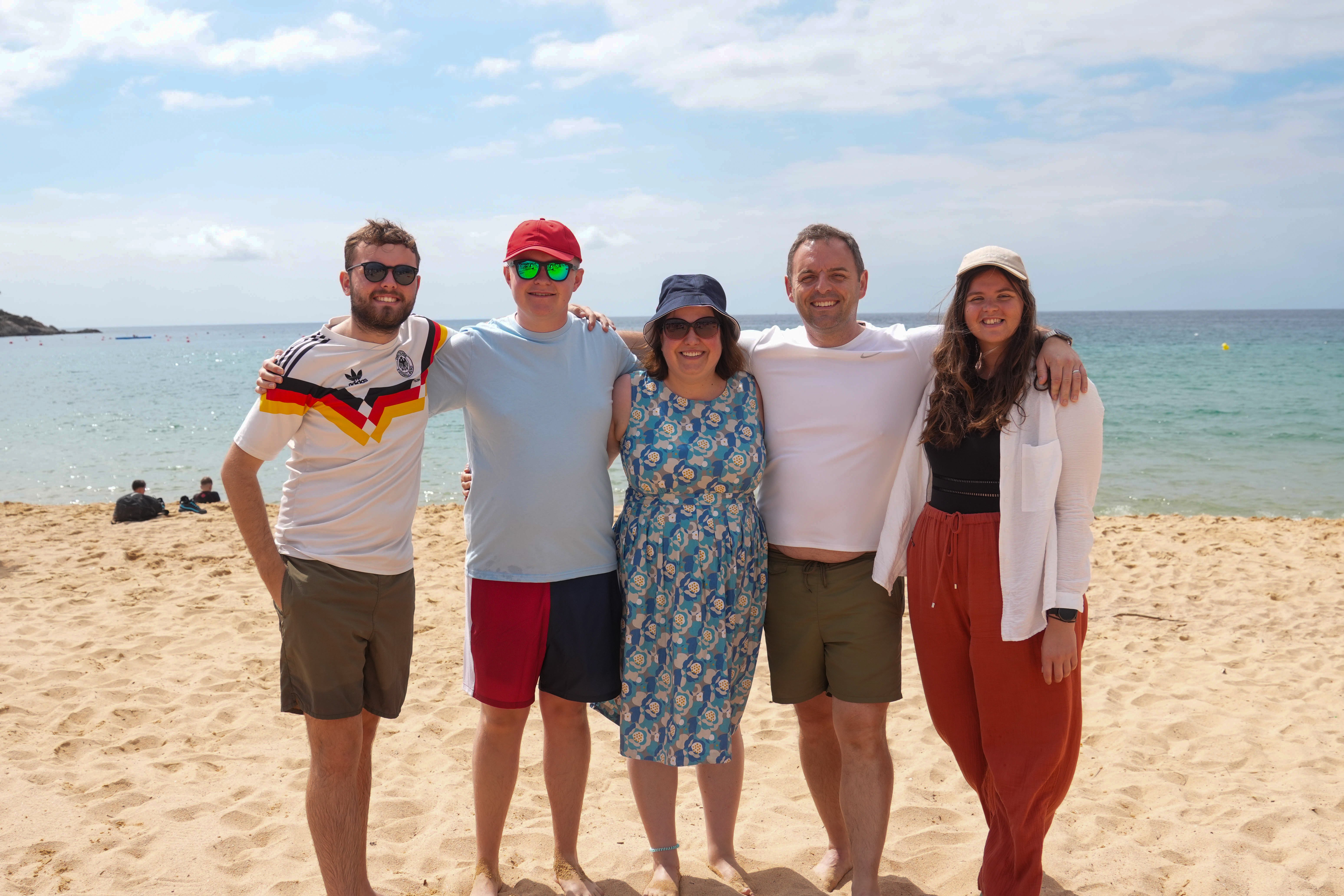
At Activ4 School Tours, we see ourselves as a school travel partner rather than simply a provider.
As a family-run educational travel company with more than 25 years' experience, we work with teachers to understand what they want their students to gain from the experience before building the trip around those priorities.
Our bespoke itineraries can be shaped around the school's group, budget, learning objectives and preferred activities, with support from the initial enquiry through to travel.
This combination of teacher-led expertise, safe and well-organised planning, dedicated support and curriculum-led educational travel helps schools look beyond headline pricing and consider the overall value of the experience.
The right adventure trip should ultimately match the school's objectives, budget and students' needs.
There is no standard cost per student. The final price depends on the destination, duration, group size, transport, accommodation, activities, meals and time of year.
A quote should clearly state which transport, accommodation, meals, activities, equipment, instructors, excursions, insurance, transfers and support services are included.
Meals may be included as bed and breakfast, half board or full board. Schools should check exactly which meals are covered and whether students will need money for additional lunches or meals during travel.
Many school trip packages include staff places based on the group size or staff-to-student ratio. Schools should confirm the allowance and whether additional adults would change the price.
Some costs, such as coach transport, are shared between participants. A larger group can therefore reduce certain per-student costs, while accommodation and instructor ratios can also affect pricing.
Possible additional costs include passports, spending money, optional activities, meals during travel, baggage, specialist clothing and tourist taxes. Schools should identify these before presenting the trip to families.
Compare quotes like for like across price, transport, accommodation, meals, activities, equipment, excursions, staff places, support and potential extras.
Schools should have a clear point of contact and access to assistance if plans change or an issue arises. Activ4 provides 24/7 on-trip support, alongside support from a dedicated tour coordinator throughout the planning process.
Choosing an adventure trip isn't simply about finding a price that fits the budget. It is about understanding what students will experience, what teachers will need to organise and what support the school can rely on throughout the process.
The best starting point is to compare trips like for like and ask providers to be clear about exactly what is included and what isn't.
If your school is considering an adventure trip, speak to the Activ4 team about your dates, group size, preferred activities and budget, and we can help you explore the options.
.png?width=1000&height=500&name=Activ4rep%20(5).png)