
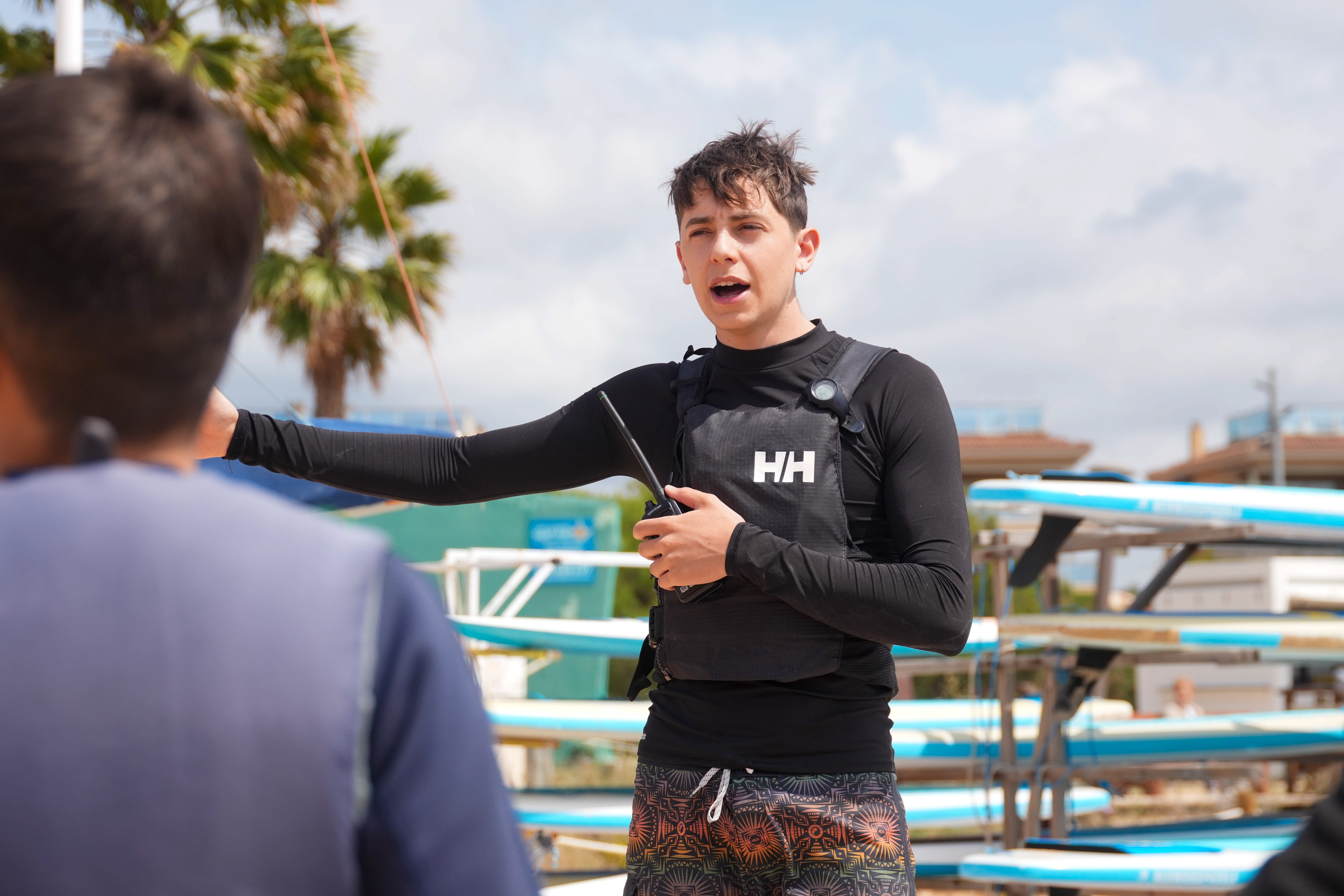
School Adventure Trips
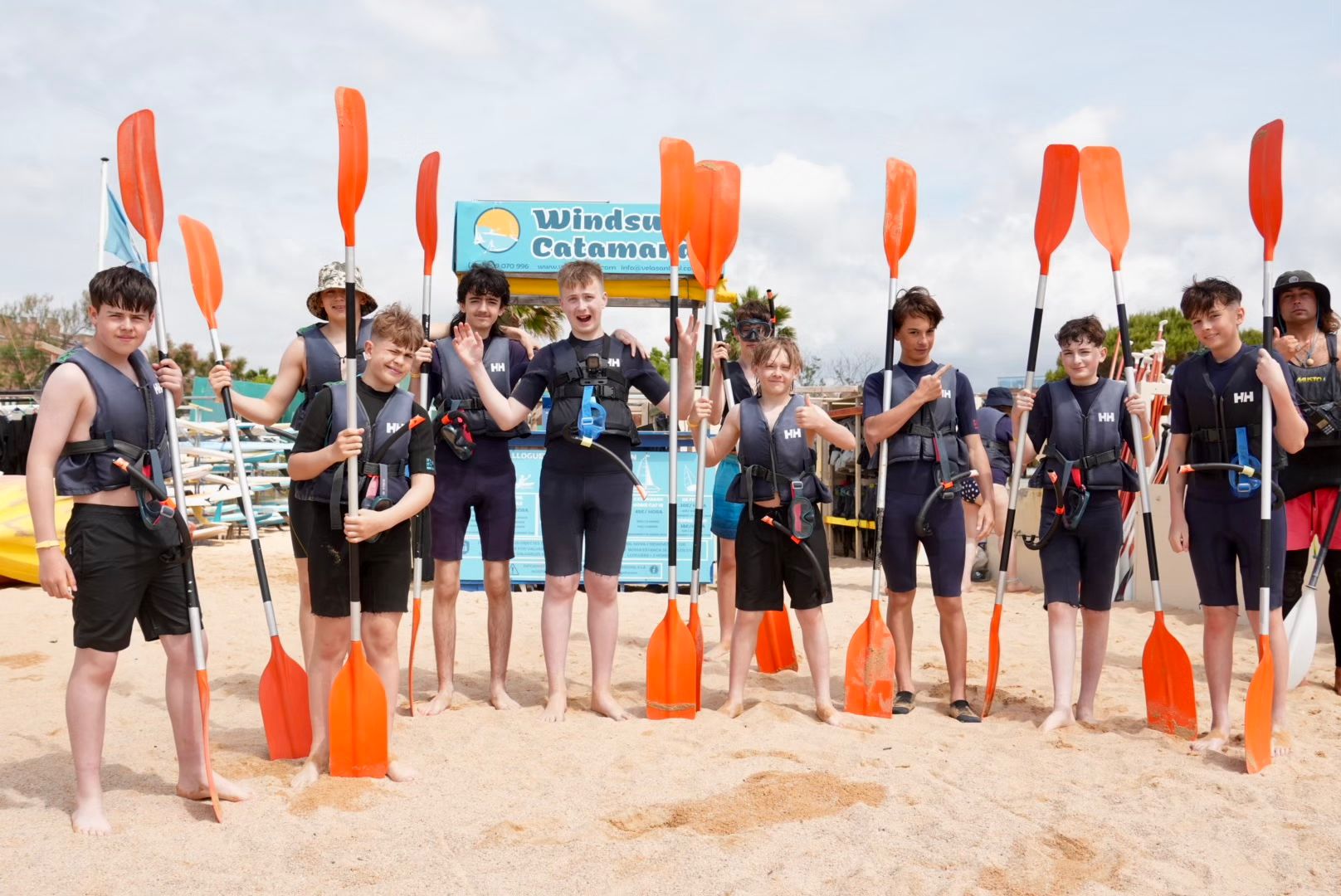

Planning an adventure school trip abroad involves choosing clear educational objectives, securing school approval, selecting an experienced school travel provider, reviewing safety arrangements, organising transport and accommodation, communicating with parents and completing the necessary documentation.
For UK secondary schools, it is generally best to begin planning 12–18 months before departure, particularly if you want to travel during popular periods such as May half-term or the summer term.
Adventure trips can combine activities such as sailing, kayaking, paddleboarding, rafting, climbing and hiking with opportunities for students to develop confidence, teamwork, resilience and independence.
Activ4 School Tours specialises in tailor-made adventure and water sports trips for UK schools, with programmes across European destinations including Spain, Italy, France and Greece.
Adventure school trips give students opportunities to develop confidence, resilience, teamwork, communication and independence outside the classroom.
Activities such as kayaking, sailing, climbing and paddleboarding require students to solve problems, communicate with others and step outside their usual comfort zones in a structured environment.
There are also opportunities to connect adventure activities with curriculum learning.
For example, geography students might explore coastal environments while kayaking, while sailing can introduce practical concepts around forces, wind and motion. Team activities can support PSHE and pastoral objectives through leadership, collaboration and resilience.
Outdoor education has also been associated with benefits including student engagement, social development and wellbeing.
For secondary-aged students, an overseas adventure trip can therefore provide much more than simply a few days of activities.
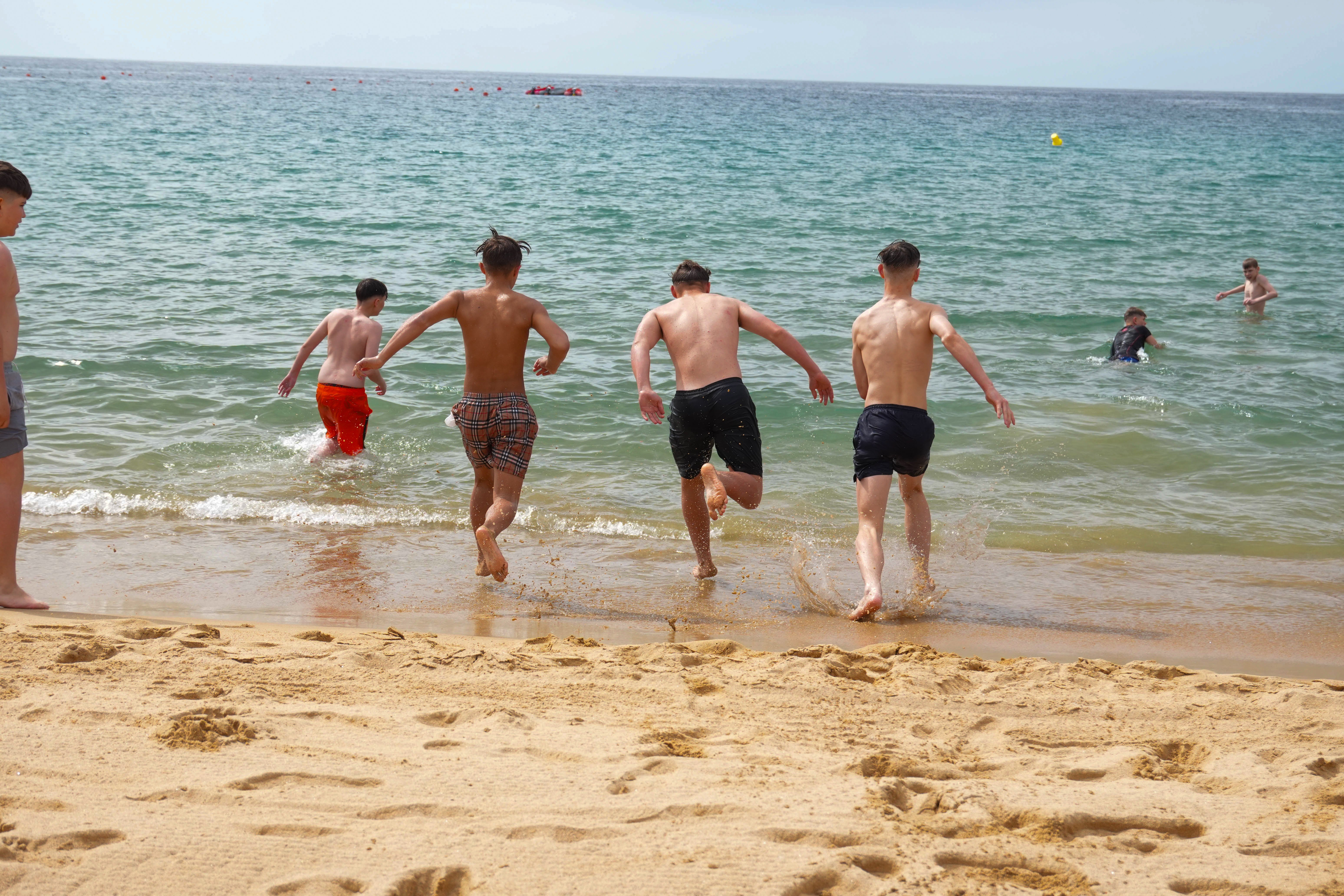
Start by deciding what you want students to gain from the trip before choosing the destination or activities.
Consider questions such as:
Once you have established these objectives, you can work backwards to identify the activities and destinations that best support them.
Adventure activities can support several curriculum areas.
Sailing can introduce concepts around forces, wind and motion.
Kayaking and paddleboarding can be combined with observations of coastlines, ecosystems and physical geography.
Orienteering and navigation provide practical opportunities to develop geographical and problem-solving skills.
Raft building and team challenges encourage communication, leadership and collaboration.
Sharing your priorities with your school travel provider at the beginning of the planning process also makes it easier to create an itinerary around your school's objectives rather than simply selecting a standard package.
Schools should ideally start planning an overseas adventure trip 12–18 months before departure.
Starting early gives you more choice over destinations, accommodation and travel dates while providing enough time to gain internal approval and communicate with parents.
A typical planning timeline might look like:
12–18 months before travel: establish objectives, approximate group size and budget and seek initial school approval.
10–12 months before travel: compare providers, develop the itinerary and confirm your trip.
6–9 months before travel: launch the trip to parents and begin collecting payments and student information.
2–3 months before travel: finalise passenger information, documentation, rooming arrangements and practical details.
Spring and summer are particularly popular for European adventure school trips, especially for programmes involving water sports.
May half-term and the summer term can provide favourable conditions in Mediterranean destinations such as Spain, Italy and Greece.
You should also consider the age of your students and the school calendar. Years 9 and 10 can work particularly well for adventure programmes as students are old enough to engage with challenging activities while generally facing fewer examination pressures than Year 11 or Sixth Form students.
Schools should look for an experienced school travel provider with appropriate safety credentials, financial protection, clear risk-management procedures and experience organising overseas trips for UK school groups.
The provider should also understand that organising a school trip involves much more than booking accommodation and activities.
When comparing providers, look at their safety and quality credentials as well as their financial protection.
The Learning Outside the Classroom (LOtC) Quality Badge provides schools with an independently assessed indication of an organisation's approach to safety and educational quality.
It is also worth checking whether the provider is a member of the School Travel Forum (STF). STF members specialise in educational travel and are required to follow standards designed specifically around the needs of schools and young people travelling on educational visits.
You should also check the financial protection applying to your trip, such as ATOL protection for applicable flight-inclusive packages and ABTOT or other appropriate protection for non-flight arrangements.
Before booking, consider asking:
The answers can tell you far more about a provider than price alone.
Spain, Italy, France and Greece are among the popular European destinations for school adventure trips, offering programmes ranging from Mediterranean water sports to mountain-based activities.
The right destination depends on your students, budget, preferred activities and the type of experience you want to create.
| Destination | Particularly good for | Activities can include | Ideal for |
|---|---|---|---|
| Costa Brava, Spain | Beach activities + culture | Sailing, kayaking, paddleboarding, windsurfing | Groups wanting water sports alongside excursions such as Barcelona |
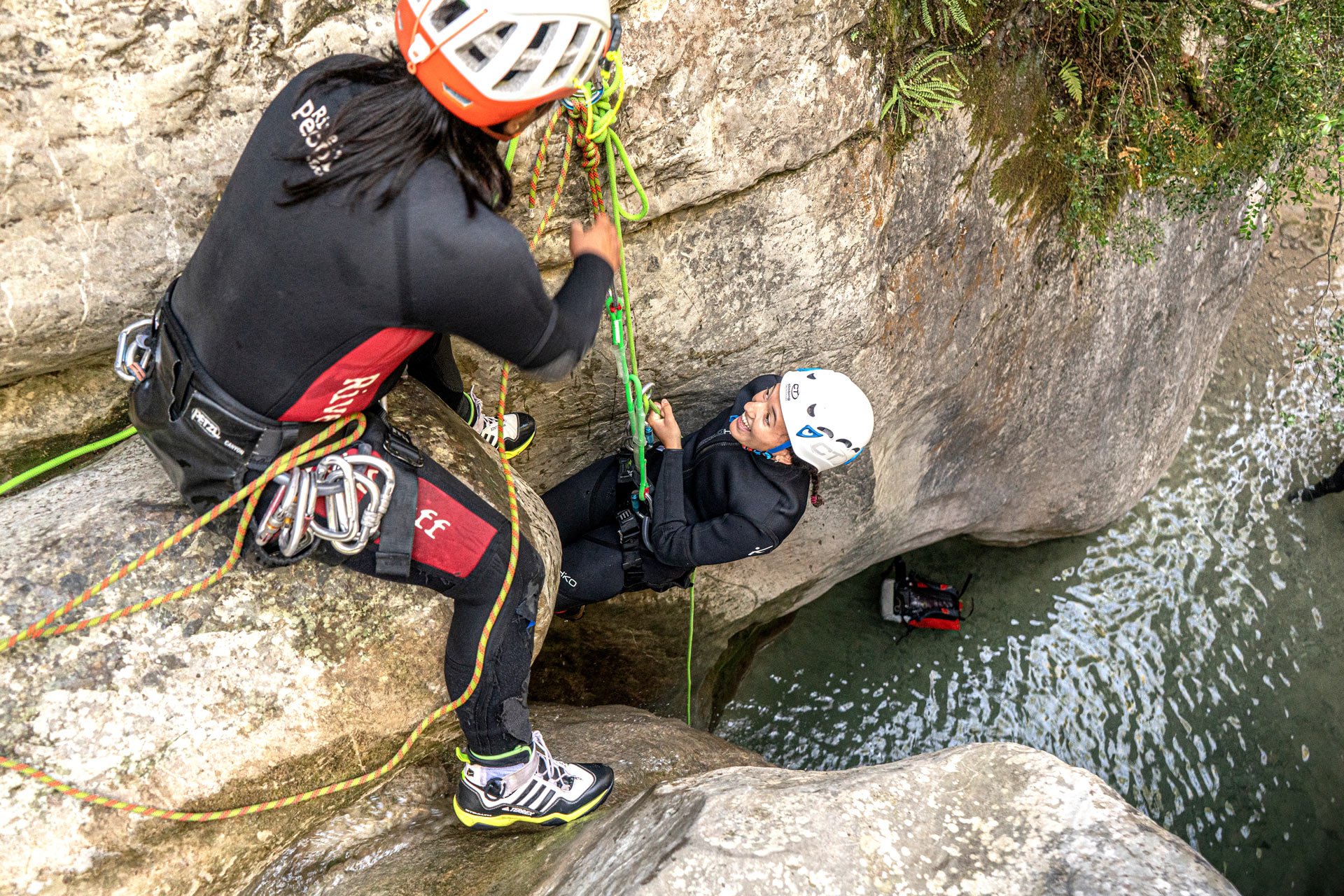
| Spanish Pyrenees | Mountain adventure | Rafting, canyoning, hiking, climbing | Groups looking for a more adventurous outdoor programme |
| Lignano Sabbiadoro, Italy | Beach and water sports | Sailing, kayaking, paddleboarding, team activities | Mixed-ability groups and first-time adventure trips |
| Greece | Mediterranean water sports | Sailing, kayaking, paddleboarding and beach activities | Groups wanting warm-weather water sports |
| France | Varied adventure programmes | Water sports, climbing, mountain biking and land activities | Groups wanting a combination of activities |
Spain's Costa Brava is a strong option for schools wanting to combine water sports with a cultural excursion.
Resorts such as Platja d'Aro have established facilities for school groups alongside access to beaches and water sports centres.
Activities can include sailing, kayaking, paddleboarding and windsurfing, while the region's proximity to Barcelona makes it possible to include a cultural day or excursion within the same programme.
For schools looking for something more adventurous than a traditional beach-based programme, the Spanish Pyrenees provide a very different experience.
Mountain programmes can combine activities such as rafting, canyoning, hiking, climbing and other outdoor challenges.
This type of trip can be particularly effective for groups focusing on resilience, teamwork and personal challenge.
Located on Italy's Adriatic coast, Lignano Sabbiadoro combines sandy beaches with facilities suitable for school groups.
Its water sports and activity options make it particularly suitable for mixed-ability groups, including students with little or no previous experience of adventure activities.
Greece is another option for schools looking for a warm-weather adventure and water sports programme.
Coastal locations can provide opportunities for activities such as sailing, kayaking and paddleboarding, with the Mediterranean setting adding a cultural dimension to the trip.
France offers a wide variety of possibilities, from coastal and lake-based water sports to mountain activities.
Depending on the location, programmes can combine water sports with climbing, archery, mountain biking and other outdoor challenges.
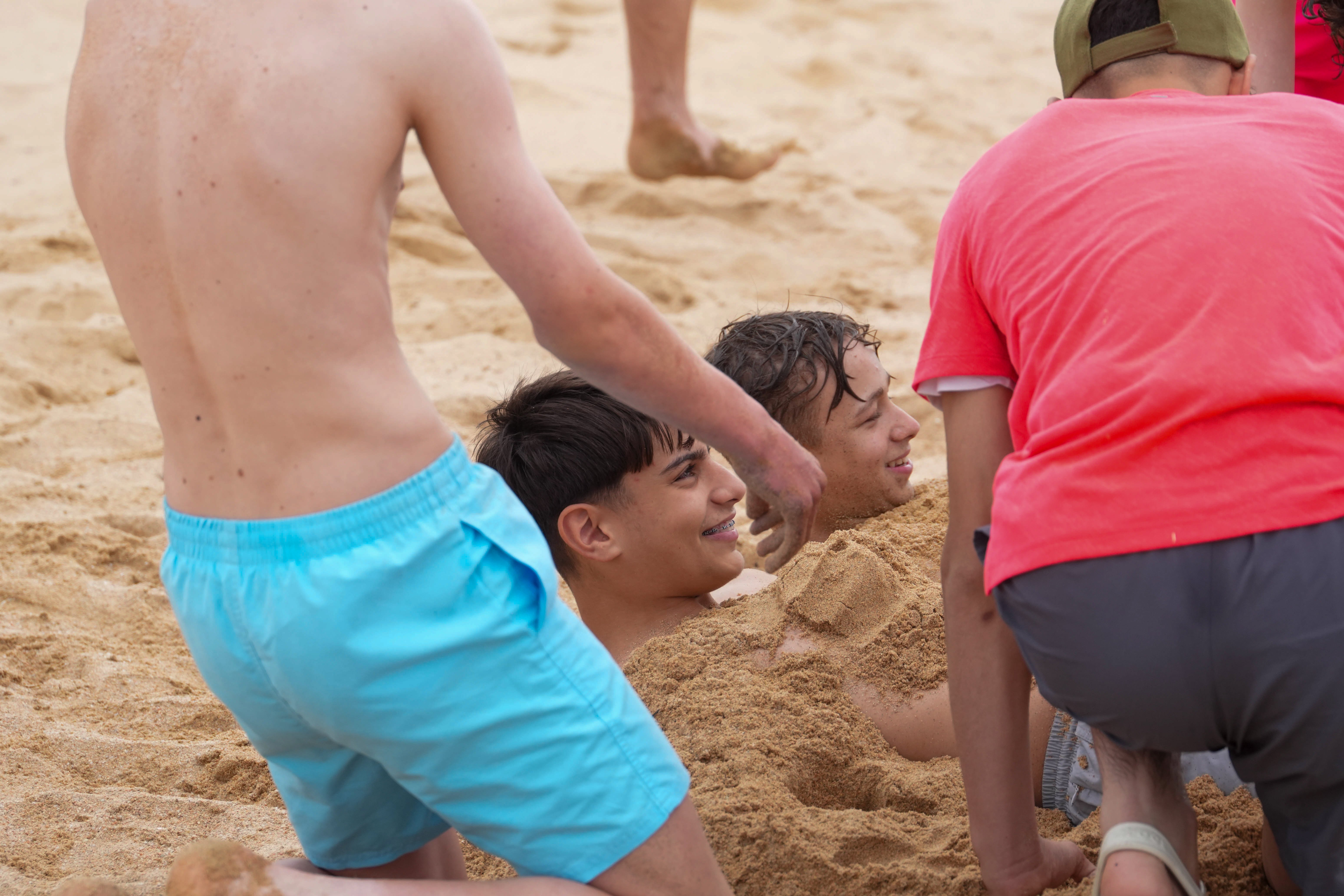
A good school adventure programme should combine individual challenges, team activities and experiences suitable for different confidence and ability levels.
There is no single perfect activity programme for every school.
Instead, consider how each activity contributes to the overall objectives of your trip.
Sailing encourages students to understand wind, balance and boat control while developing independence and confidence.
Kayaking is accessible to many ability levels and can provide students with a relatively quick sense of achievement.
Stand-up paddleboarding develops balance and coordination while providing an accessible introduction to water sports.
Windsurfing offers a more technical challenge requiring concentration, balance and persistence.
Adventure programmes do not have to revolve around water sports.
Activities such as rafting, canyoning, climbing, high ropes, archery, hiking and orienteering can add variety and allow different students to discover activities in which they excel.
Including different types of challenges can also make the programme more inclusive for students with varying levels of confidence.
Schools should work with their Educational Visits Coordinator (EVC) and their chosen provider to identify relevant risks and review the safety arrangements for the trip.
For adventure activities, this may include considering:
Your provider should be able to supply relevant risk-management and safety information to help your school complete its own approval and assessment processes.
For water-based activities, schools should understand how sessions are supervised, what qualifications instructors hold, what safety equipment students will use and what rescue arrangements are available.
You should also establish what happens in unsuitable weather or water conditions.
A good provider should be able to explain these procedures clearly before you confirm your trip.
Parent communication should clearly explain why the trip is taking place, what students will be doing, how much it will cost and how safety will be managed.
Start by explaining the purpose of the trip rather than simply listing the activities.
Parents are more likely to understand the value when they can see how the programme supports confidence, teamwork, independence and educational development.
A parent information evening provides an opportunity to explain:
Follow up with written information so parents have something they can refer back to.
Work with your EVC and school procedures to make sure you collect the necessary consent, medical information and emergency contact details.
Gathering this information well before departure gives your provider and activity instructors time to understand any additional requirements within the group.
An overseas school adventure trip typically requires coordination of transport, accommodation, meals, activities, excursions, insurance, documentation and emergency arrangements.
Using an experienced school tour provider can reduce the amount of coordination required from the teacher leading the trip.
Coach travel is popular for European school groups because it can provide straightforward group transport and help manage costs.
Flying significantly reduces travel time for more distant destinations but introduces airport procedures, luggage restrictions and potentially additional transfers.
The best option will depend on the destination, budget and amount of time available.
Look for accommodation that is accustomed to hosting school and youth groups.
Consider:
Understanding these details in advance makes supervision and planning much easier.
The exact documentation required will depend on your school and destination, but schools may need to consider internal approval, consent forms, passenger information, medical information, provider documentation, insurance information and emergency procedures.
Prepare information for your school's internal approval process covering areas such as:
Allow plenty of time for your SLT, EVC, trust or governing body processes where applicable.
Before departure, make sure staff understand what to do if something goes wrong.
Your emergency planning should cover scenarios such as illness, accidents, travel disruption or significant changes to the programme.
Staff should have access to relevant emergency contact information and know who to contact both at school and through the tour provider.
Schools should compare adventure trip providers based on overall value, safety, inclusions, support and experience rather than price alone.
When requesting a quote, provide as much information as possible, including:
This allows providers to create a more accurate proposal.
When quotes arrive, compare what is actually included.
A useful comparison should consider:
| Area | What to check |
| Price | Total price and any potential additional costs |
| Activities | Number, duration and type of sessions |
| Meals | Which meals are included |
| Accommodation | Location and suitability for school groups |
| Transport | Coach, flights and transfers included |
| Safety | Provider credentials and documentation |
| Support | Assistance before and during travel |
| Financial protection | Protection applying to the booking |
| Flexibility | Ability to tailor the programme |
The cheapest quote is not necessarily the best-value option if important elements have been excluded.
Activ4 School Tours organises tailor-made adventure and water sports trips for UK schools, including programmes in Spain, Italy, France and Greece.
Rather than offering one fixed itinerary, trips can be developed around a school's preferred destination, group size, activities, educational objectives and budget.
Activ4 can coordinate the main elements of the programme, including transport, accommodation, activities and excursions, while supporting teachers throughout the planning process.
Schools also have access to support while travelling, providing a point of contact if an issue arises during the trip.
Working with a specialist school tour operator means teachers do not have to coordinate every individual supplier themselves.
Activ4 works with schools to bring the different parts of the programme together while helping teachers navigate the practical requirements involved in organising an overseas school trip.
This can include:
The aim is to create an adventure trip that works for your particular students rather than fitting your school into a standard itinerary.
Activ4 School Tours is a member of the School Travel Forum (STF) and holds the Learning Outside the Classroom (LOtC) Quality Badge. Activ4 also provides appropriate financial protection through ATOL and ABTOT, giving schools additional reassurance when planning an overseas trip.
The strongest educational adventure trips integrate learning into the experience rather than treating the educational element as an addition.
Introduce students to relevant topics before travelling.
Geography classes might look at the landscapes or coastal environments they will encounter.
PE lessons could introduce some of the principles behind sailing, kayaking or physical activity.
Students could also research the culture, geography or history of their destination.
Learning does not have to stop when students return home.
Students could:
You can also gather student and staff feedback to help improve future trips.
UK schools should follow relevant Department for Education guidance for educational visits alongside their own school, trust or local authority procedures.
When using an external provider, schools should understand the organisation's safety management arrangements, insurance, instructor competence and procedures for any subcontracted activities.
The Learning Outside the Classroom Quality Badge provides an independent assessment of providers against recognised standards relating to educational quality and risk management.
Using a provider holding the badge can make it easier for schools to evaluate external provision.
Schools should still follow their own internal approval procedures and consider the specific requirements of their group and trip.
Adventure activity requirements vary between countries.
Ask your tour provider how overseas activity centres and instructors are selected and what qualifications, insurance and safety arrangements apply locally.
Your provider should be able to supply information to support your school's own checks.
The main costs of an overseas adventure school trip usually include transport, accommodation, meals, activities, excursions, insurance and staffing arrangements.
Transport choice can have a significant impact on the overall price.
Coach travel may offer a more economical option for some European destinations, while flights may be more practical when journey times become too long.
Full-board accommodation can also simplify budgeting because more of the group's food costs are included upfront.
Giving families plenty of notice allows payments to be spread over a longer period.
Schools may choose to collect an initial deposit followed by staged payments over several months.
It is also worth considering whether your school has appropriate funding or support available for students who might otherwise be unable to participate.
Starting the planning process early gives you more time to explore these options.
Staff should be briefed on the itinerary, student needs, responsibilities, emergency procedures and expectations for the trip before departure.
Although qualified instructors may supervise individual adventure activities, school staff retain their wider responsibilities for their students.
Assigning responsibilities before departure can help the trip run smoothly.
Depending on your school's procedures, these might include:
Make sure everyone understands the itinerary and knows what to do if plans change.
Schools should ideally begin planning an overseas adventure trip 12–18 months before departure. Starting early gives you more choice over dates, accommodation and activities while providing time for school approval, parent communication and staged payments.
The best adventure school trips combine age-appropriate physical challenges with opportunities to develop teamwork, confidence, resilience and independence. Popular options include Mediterranean water sports programmes in Spain, Italy and Greece and mountain adventure trips in destinations such as the Spanish Pyrenees.
European adventure school trips can include sailing, kayaking, paddleboarding, windsurfing, rafting, canyoning, climbing, hiking, high ropes, orienteering and team-building activities. Coastal destinations are particularly suitable for water sports, while mountain destinations offer more land and river-based challenges.
Spain's Costa Brava, Italy's Adriatic coast and destinations in Greece and France can all work well for school water sports trips. The best choice depends on your preferred activities, budget, travel arrangements and whether you want to combine activities with cultural excursions.
Activ4 School Tours specialises in tailor-made adventure and water sports trips for UK schools. Programmes are available across destinations including Spain, Italy, France and Greece and can combine transport, accommodation, activities and excursions within one itinerary.
Look for a provider with experience working with UK schools, appropriate safety credentials, clear financial protection, strong risk-management procedures and support before and during the trip. Providers holding the LOtC Quality Badge have been independently assessed against recognised standards.
Sailing, kayaking, paddleboarding, rafting, climbing, canyoning, hiking and team challenges can all work well for secondary school groups. A varied programme allows students with different abilities and confidence levels to experience success.
Schools should work with their Educational Visits Coordinator and tour provider to review activity risks, instructor competence, supervision arrangements, student needs, emergency procedures and contingency plans. Your provider should supply relevant safety information and documentation to support your school's own assessment.
Parents should receive clear information about the educational purpose, destination, activities, accommodation, transport, supervision, safety arrangements, costs, payment schedule and practical requirements of the trip. A parent information evening can also provide an opportunity to answer questions before departure.
Every school group is different, which is why your adventure trip should be built around your students rather than taken straight from a standard package.
Whether you are looking for water sports on the Costa Brava, mountain adventures in the Spanish Pyrenees,activities on Italy's Adriatic coast or a Mediterranean programme in Greece, Activ4 can help you create a trip around your preferred activities, dates, group size and budget.
Explore Activ4's adventure school trips or speak to our team about creating a tailor-made programme for your school.